Self
There are infinite versions of yourself
If you’ve ever wondered what people think of you, I have good and bad news. The good news is that everyone thinks something different! The bad news is that everyone thinks something different.
Every person you’ve ever come across has a different relationship with you, so everyone you've ever met, talked to, strangers who have come across your online profiles, your art, whatever it is, holds a different version of you in their head than the next person does. And all of those are different from the image you hold of yourself.
This is cool because it means infinite versions of you exist, but also a little daunting because thanks to a hardwired need to be liked and accepted by society, it can be tough to swallow that you have to consistently make fresh impressions on people. Or do you…
Why do we try to "be" anything? We have no control over how people see us so why do we try to BE someone we're not? You could act like the nicest person around someone and they may still walk away thinking, “I don’t know, there’s just something off. Like she’s too nice.” Or “trying too hard” or “too quiet” or “too loud” or whatever; the list goes on. The point is, why try to “be” anyone when you never leave the same imprint twice AND you really have no control over what that imprint might be.
Every day, we cycle between identities. We are different at work than we are at home than we are with our acquaintances than we are with our close friends… you get the idea.
There are a few theories around this, and this simplest to conceptualize is the four concepts of self-presentation theory:
- Public self
- Self-concept
- Actual or behavioral self
- Ideal self
Of all the theories I looked into, I found this to be the most contextually accessible. It’s likely not too hard to immediately bring to mind how you think of yourself in this framework.
For your public self, maybe you want to be seen as a leader, as a problem solver, or as a chill vibes person. Or maybe your public self is more complex because you act differently in various social circles; professional by day and the guitarist in an underground band by night. Whatever public self means to you, it’s important to realize that it is indeed a bucket of our view of self based on your public image.
Which brings us to self-concept. How do you see yourself through your own lens? This one asks us to be honest. Are we too hard on ourselves? Are we taking it too easy? Have we ever stopped to really think about who we are? Despite it seeming simple, I personally find self-concept to be one that feels like catching smoke. The environment I grew up in asked me to see myself through other people’s eyes so often that I never really thought about how I see myself until I was much older. For me, it is an effort to think about “Who I am” vs. who I think I am based on the other versions of “self” that I project.
Actual or behavioral self is the showcasing of our actions and habits. I like that it fits between “self-concept” and “ideal self” because this is where thoughts and actions intersect. You can think you are one way, but what are you doing to actually be that way? If you want to be a leader, are you actually leading or are you just bossing people around? If you want to be a good friend, do you ask your friends how they are or do you call them and launch into stories about yourself? This is the part of self that holds a mirror up and allows you to take stock of how you show up for your “self” in the world.
Ideal self is who you want to be. What do you want to feel like as you go through life? How do you want to make others feel? What do you want to contribute to the world? What kind of footprint do you want to leave behind? Do you want to be healthier? Weather? Wiser? Whatever it is, you can help make your ideal self a reality by putting some of the traits you want into action, bringing it into the circle of actual or behavioral self.
So, how do we find ways to harmonize our public self with our self concept? And make our actual self take steps towards being our ideal self? It’s easier said than done, but the first is simply to show up as yourself. Find ways that feel safe to you where you can mesh your self-concept with the public. I have been working on this because I can be a little quirky, which used to be embarrassing. But now I realize that it’s just part of who I am, and when I embrace it, I can help bring light to tense situations.
Finding a balance between your ideal self and your behavioral self is manifestation in action. Manifestation is a buzzword, but it isn’t magic. It’s the culmination of little acts that add up. If your ideal self is a marathon runner but you don’t run, then start by going for a 5 min run. Eventually, you’ll increase the time and move closer to your ideal self. If your ideal self is a morning person, then start getting up earlier for no reason at all other than you’re honoring your ideal self. If your ideal self is less stressed and more relaxed, start practicing mindfulness so that situations aren’t as immediately overwhelming.
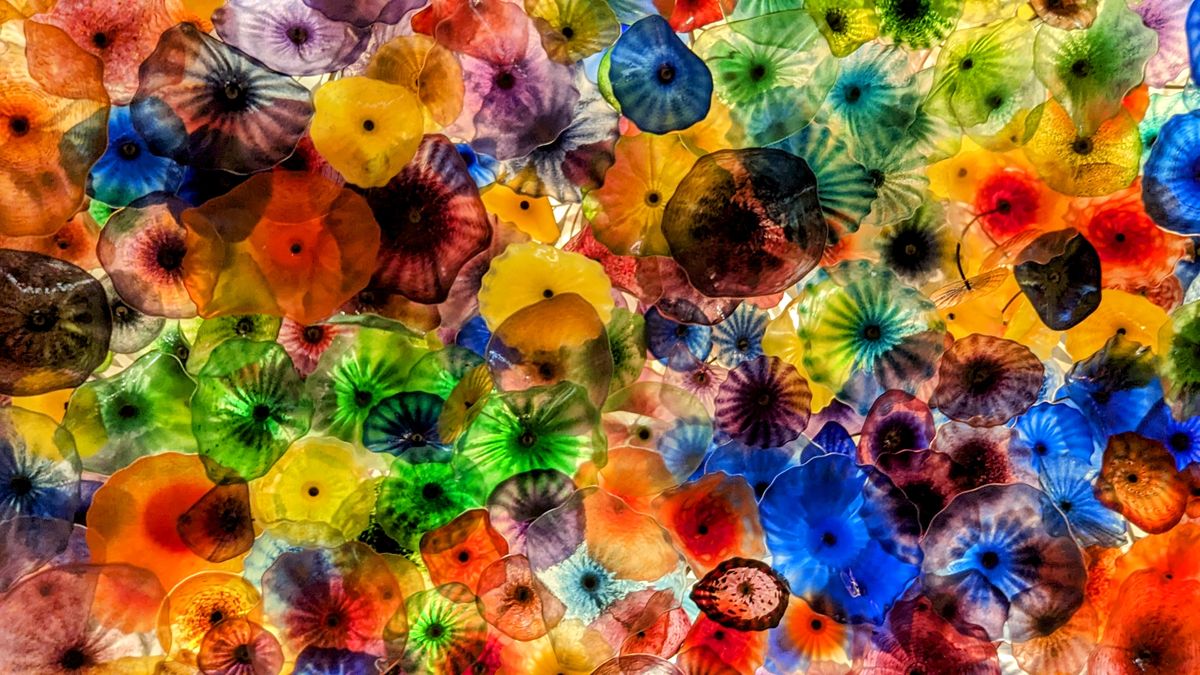
Everyone is different, so we are all received differently by individuals. But how someone receives you, has nothing to do with you! When someone passes away, it’s always fun to share stories about the person because you learn how many different sides there were to them. That’s how we all are. We’re all our own little kaleidoscopes who look different to people depending on their interactions with us.
This week, worry 1% less about what others think about you and show up 1% more as your own authentic self. In the end, you don’t have a fraction of control over what people think of you, so why not just be yourself and put your energy into being your own personal best self?
With gratitude,
Natalie
Think someone could benefit from this post? Share it! It’s free and public :)
Resources
Gillette, Hope. “Self Concept: What Is It and How to Form It.” Psych Central, Psych Central, 12 Apr. 2022, psychcentral.com/health/self-concept#self-concept-theories.