Rejection
Rejections are just guideposts
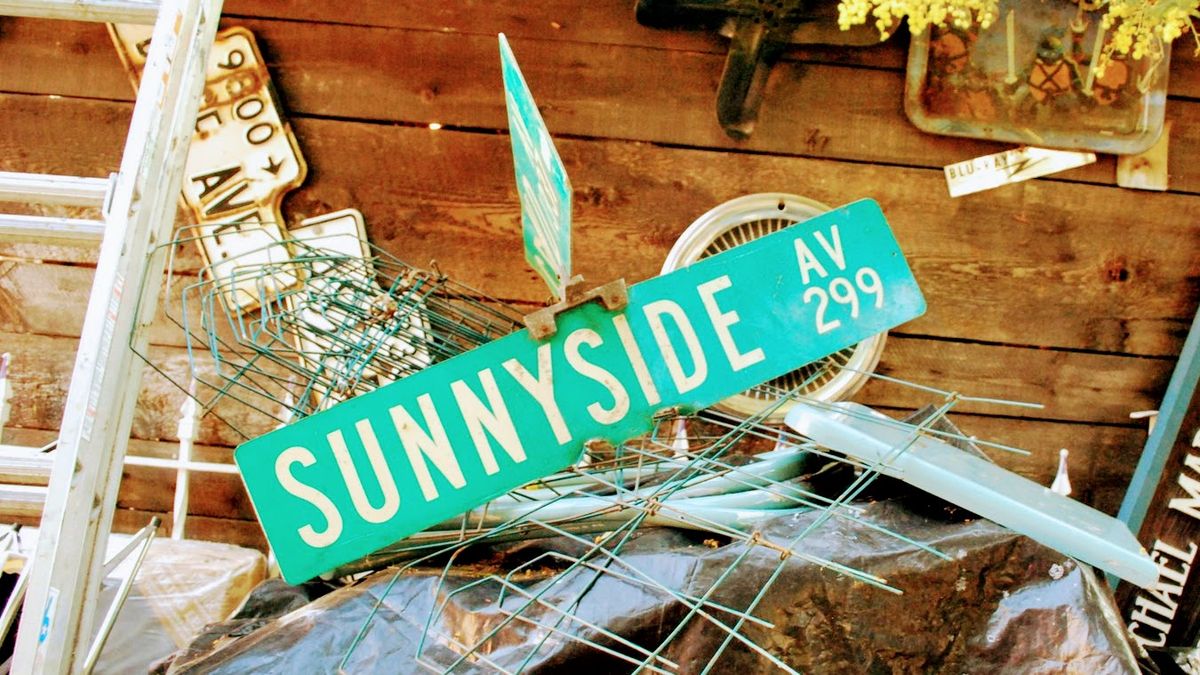
Do you ever wish there was a little voice who could tell you what to do in life so you didn’t have to figure it out on your own? The good news is, there is! The bad news is that we often see it as a bad thing instead of a helpful guide. It’s rejection.
Of course, rejection shouldn’t be minimized, and with good reason. Studies show that the body releases the same chemicals when you are rejected as when you are in physical pain. The body wants to be soothed because the brain has interpreted that you are in pain. And this is in large part because we are social creatures. So when we experience rejection, we may interpret it as we are being rejected by society in one way or another.
If you are rejected from the job you want, you may interpret that as you not being good enough. If you’re rejected from a competition, you may feel like you’ll never be successful. Same for rejections from love interests, friends, other pieces of the social webs we weave through. In addition to physical pain, you may feel emotional pain like jealousy, anger, loneliness, and shame.
So, with all of that at stake, why would we ever want to put ourselves out there for anything?
Because you get immediate feedback on the path that’s meant for you!
I was so sure I wanted to be a sports journalist. I went to school for it, I wrote for some well-known publications, and I created a decently large network of other sportscasters. But no matter how hard I tried, how much free work I did, how many extra assignments I picked up, it just never happened for me. And that’s only my quest to work in sports, not including all of the other hundreds (and honestly probably closer to 1,000) of pitches, queries, interviews, etc. I’ve done over my career that were rejected or never responded to.
Over time when I received a rejection, I started praying, “Thank you for firmly closing that door for me at this time…. Even if I wanted it really, really, really bad.”
I don’t know what my life would have looked like if I’d become a professional sports reporter. I look at some folks who started at the same publications at the same time as me and they’re on TV living the dream… in Cleveland or Toronto, or some other place much colder than SoCal. They live to work, not work to live. Now that I have the life I do, I can confidently say I’m grateful for the rejections because I love my life! Other than the median home prices in L.A., I have no complaints.
Enough about me, let’s talk about you. Take a minute and think about your latest rejection. Give yourself space to accept and acknowledge how it felt. Now take a moment and think about how it may have been pushing you towards or away from something else.
Would that friend group that you got squeezed out of have helped your overall wellbeing and path in life? Would that relationship you really wanted to work out have guided you towards a life abundant with opportunities for self-growth? Would that job you interviewed for have offered you the work-life balance you need at this time in your life (sometimes we need more than others)? Would winning that competition have added to your life or taken away time from other important parts like time with your friends and family?
After the nearly 1,000 rejections (as I’m writing this and including social rejections, I’m sure it’s even higher than 1,000 now 😅) I’ve received in my life, I can confidently say I’m very okay with rejection. In fact, if I don’t know how to decide between two things, I’ll actively seek out rejection opportunities. This helps me not overthink things and instead get immediate feedback from God and the universe. And if the rejection doesn’t come immediately, I pray, “Please fling wide open the doors I’m supposed to walk through and slam shut the ones I’m not.” I’m not a creature of nuance. I want clear guidance. So, that’s what I ask for. And very, VERY often, the answer comes in the form of rejection.
Coming to terms with rejection also helps us more gently reject people. We get the opportunity to be their gentle guidepost. When something isn’t working — a project, a creative partnership, a friendship, etc. — you can find a way to be more gentle and constructive. In rejection, we can express and accept kindness. We can find gratitude for the person or situation that rejected us so we could find firmer footing on the path that’s meant for us. And when we reject someone, we can choose to do it with kindness to gently nudge them towards their best path.
It makes me think of a fender bender I got into. A brand new driver sideswiped me, so we pulled over and exchanged information and were on our way. My immediate thought was: this accident was for him to learn something by getting into an accident with a chill, nice person instead of some road rager. The accident was something he needed on his driving journey, and I was chosen to be a tool.
That’s how I think of rejection. Everyone is playing their parts nudging each other along to find our best, highest paths.
BUT — and this is a big one — you can’t participate if you don’t try.
As hard and scary as it is, put yourself out there for something. Whether you want to join a new social group, or you want to submit something to a contest, give it a try! And try it with the intention of testing the waters, seeking out a guidepost. When you ask God and the universe for feedback, you will get it.
Do you struggle with rejection because you feel that physical and social pain when you receive it? Can you find one thing to do this week that will gently test your limits of rejection with the intention to help you along on your path? Can you apply for the job you think is out of your wheelhouse but interests you? Can you go on a date? Can you join a local pick-up game for a sport you love? Can you share your opinion about something you love on a platform where you feel comfortable doing so?
If you learn to reframe rejection from a, well, rejection, and into a constructive tool that will guide you to the life you want (even if you don’t think or know it right now), then it becomes a sigh of relief.
With gratitude,
Natalie
Resources
Leary, Mark R. “Emotional Responses to Interpersonal Rejection.” Dialogues in Clinical Neuroscience, U.S. National Library of Medicine, Dec. 2015, www.ncbi.nlm.nih.gov/pmc/articles/PMC4734881/.
Social Rejection Shares Somatosensory Representations With ..., 22 Feb. 2011, www.pnas.org/doi/pdf/10.1073/pnas.1102693108.