Drive
Drive your life at your own pace
A lot of the actions we take during the day are subconscious or biological, and we have little control over them. For example, your body makes you breathe without you thinking about it. Your brain will notice you’re hungry and tell you. But what about non-essential biological factors?
To be clear, I’m not talking about motivation (I’ll write more on that another time because it’s also important). I’m talking about drive. What drives you to take action, to do the things you do? And Conversely, why do you sometimes lose that drive?
In the 1940s, psychologist Clark Hull put forth the Drive-Reduction Theory (also sometimes called the Drive Theory). This put forth the idea that drive is a tension, arousal, or discomfort in your brain that compels your body to do something in order to reduce that feeling and return back to balance, or homeostasis.
As Hull’s theory became popular, there were holes poked into it, like why people may feel driven to take risks since that’s not a basic biological function and antithetical to survival. As time has gone on, the science of drive has been tied to the science of motivation, but that’s a little simplistic.
Many people want to make more money, get fit, have a rewarding social life, etc. which are the motivating factors, or motivation, they need. But drive is what will help them take the next step.
So, what can drive look like in your own life and how can you regulate it?
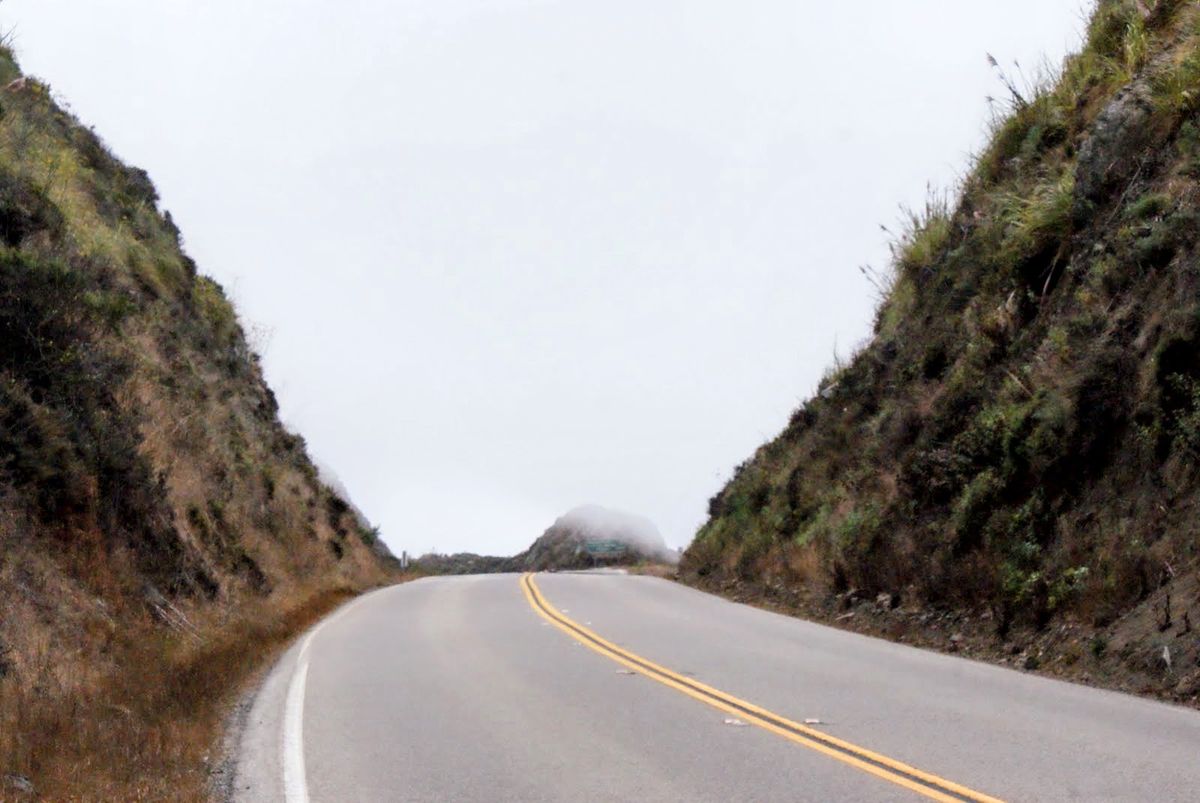
I think it’s important to take a step back and think about life. No two days are the same, both in how the day plays out and in how you feel on any particular day. To illustrate, think about the actual act of driving during your commute. You never see the exact same cars at the exact same times, and you may not feel the exact same way during your drive, day after day.
That’s a lot like how drive in our life works. You may have all of the motivation in the world to workout in the morning, to start reading before bed, to save money, to do any number of things, but what will actually drive you to do it? How will you summon that energy, that spark you need to actually do the thing?
This made me think about a video I saw on social media where a husband filmed his wife’s mental mapping of the day play out. It went something like this: she needed to unload the dishwasher, which reminded her she needed to feed the dog, which reminded her she needed to go to the store to get food, which reminded her that the crushed cheerios in the car needed vacuuming, which reminded her that there were no more clean towels and she needed to do laundry… you get the idea. This woman found the drive to get things done because she was doing them in service to her family. That’s where she found the energy.
What is your drive for doing things? And how can you work with the natural rhythms of your life to get stuff done? I’m often asked how I do so much in a day and it humbles me because I don’t feel like I do much, and often feel like I could be doing a helluva lot more. But if I had to give an honest answer, it’s that I try to follow my drive instead of making my drive follow me. If I feel like writing, I write for as long as I want and check off as many things on my writing “to do” list as possible while the drive lasts. If I don’t feel like running, I do strength training or yoga. Yes, of course I have deadlines and sometimes I have to make myself do things on time. But in general, I like to harness my drive and make it work for me as best I can, because I am positive it will wane and I’ll have little-to-no warning when that happens.
It’s also important to remind yourself that you’re human and as such, the only things we need to do are exist and treat others (and ourselves!) as we’d like to be treated. That’s it. Which is actually harder said than done to put into practice. For example, yesterday I wanted to clean out my closet and give stuff away. My motivation was weak, simply that I wanted to, and so my drive ran out about halfway through. I could have looked at myself and said, “Natalie, you’re being so lazy. Just finish the closet. It’ll only take another couple of hours.” But would I say that someone else? Heck no! So, I called it a day, content in the knowledge that the drive to finish the closet will arise another time, and I’ll seize the moment.
Apologies for so many personal examples on this, but drive is a hard concept to explain because it looks different for all of us. I often have very little trouble summoning the drive to write, but the drive to exercise is a totally different animal and something I work on cultivating daily. We all have activities that we are naturally driven to do and others that are borderline burdensome to complete.
One way to start cultivating drive for the things you are motivated to do but can’t seem to get going is to start small. For me, I commit to working out for 5 minutes and if it feels good, I keep going. If I truly can’t take any more, I stop and try again later. More often than not, the 5 minutes helps fire up the drive for me to keep going.
This week, how can you find 1% more drive to act on the things you’re already motivated to do? Can you find small goals to set while you learn to cultivate drive? Can you capitalize on your flow from drive vs. simply checking off one task and moving on? Can you coach yourself like you’d coach a friend? Whatever it is, remember, drive is a slippery concept and no two moments will hold the same amount of drive. You’re not a robot.
With gratitude,
Natalie
Resources
Guy-Evans, O. (2024, February 1). Drive-Reduction Theory of motivation in psychology. Simply Psychology. https://www.simplypsychology.org/drive-reduction-theory.html
Lebow, H. I. (2021, September 16). How does drive reduction theory explain human behavior?. Psych Central. https://psychcentral.com/health/drive-reduction-theory#what-is-drive-reduction-theory
McGrath, R. (2023, March 28). Council post: The power of drive: Why it matters more than motivation and how to cultivate it. Forbes. https://www.forbes.com/sites/forbesbusinesscouncil/2023/03/27/the-power-of-drive-why-it-matters-more-than-motivation-and-how-to-cultivate-it/
Pink, D. H. (2011). Drive. Penguin Group US.